Product family

Fencing Systems

Every fence is only as strong as its steel. Perimeter walls take impact and constant tension; farm lines endure weather and livestock stress. GV sources the framework components that hold fences upright and tight: pales and rails for palisade barriers, tension bars and truss rods for chain-link systems, barbed wire arms for security upgrades, drop rods for double gates, and studded posts for pasture runs. Each component is specified and sourced to your exact requirements—built to ASTM standards and delivered ready to install.

Explore fencing systems
Fencing Systems steel components

Six families

Nine products for fencing work.

Organized by type. Know a product by another name? Find it in the trade-names list.

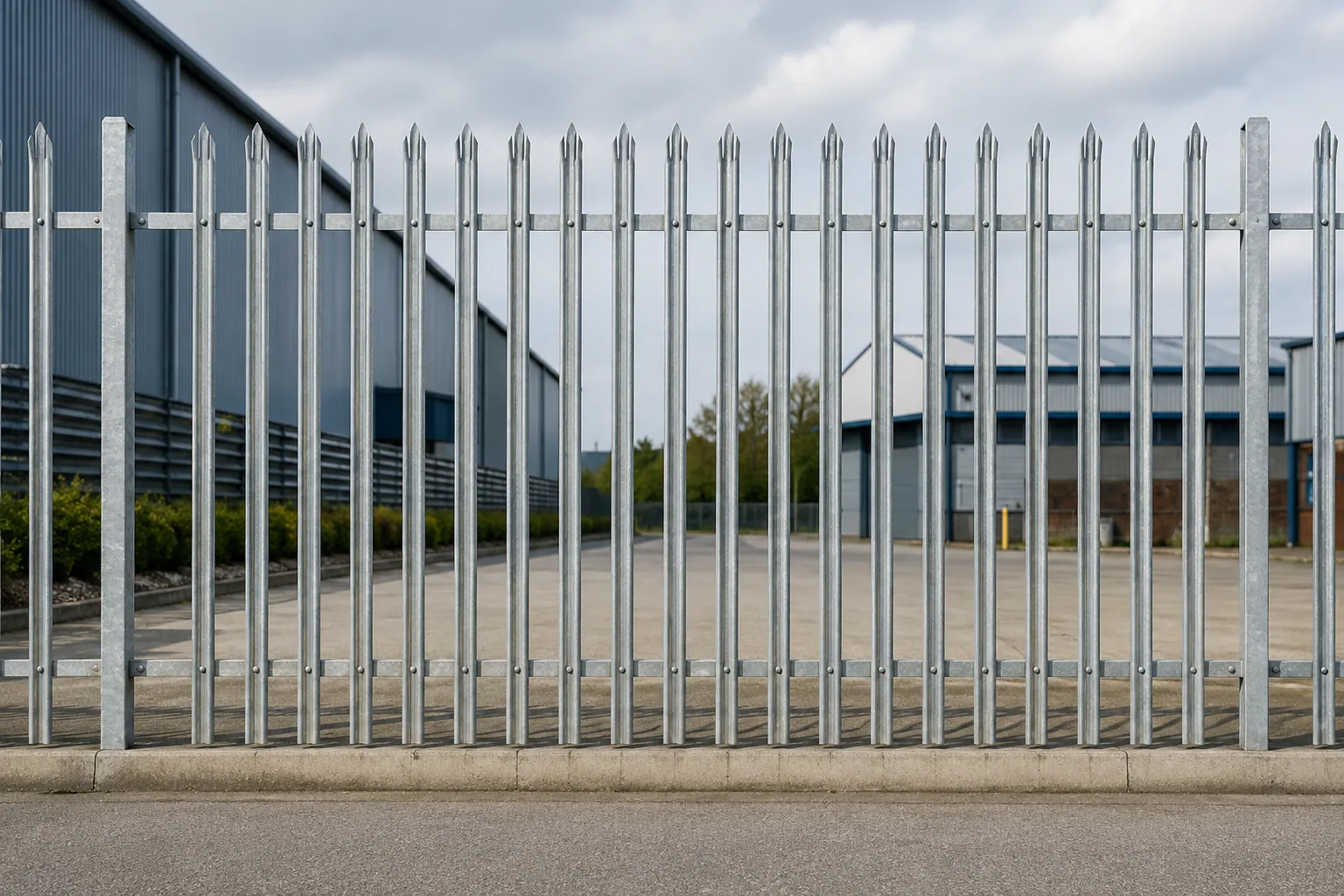
Palisade Fence

Product family

Palisade

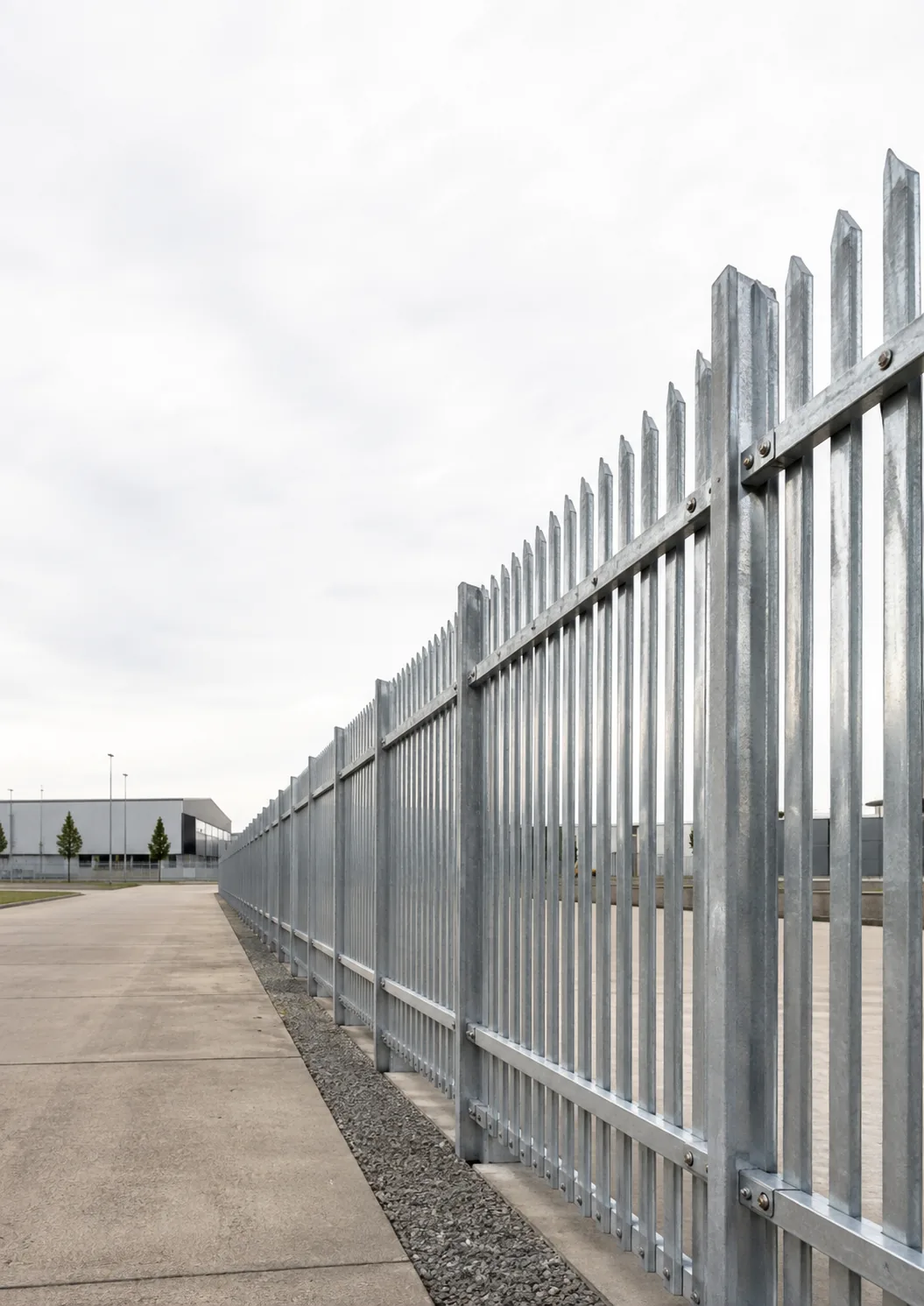
Steel palisade components: pales, angle rails, posts and connection plates for security-grade vertical-pale fencing, sourced to your thickness and height specification.

  • Palisade FenceSupplies pales, rails and posts that form each bay of the fence.
Tension Bar

Product family

Chain-link framework parts

The steelwork that keeps chain-link mesh tight and its terminal posts upright.

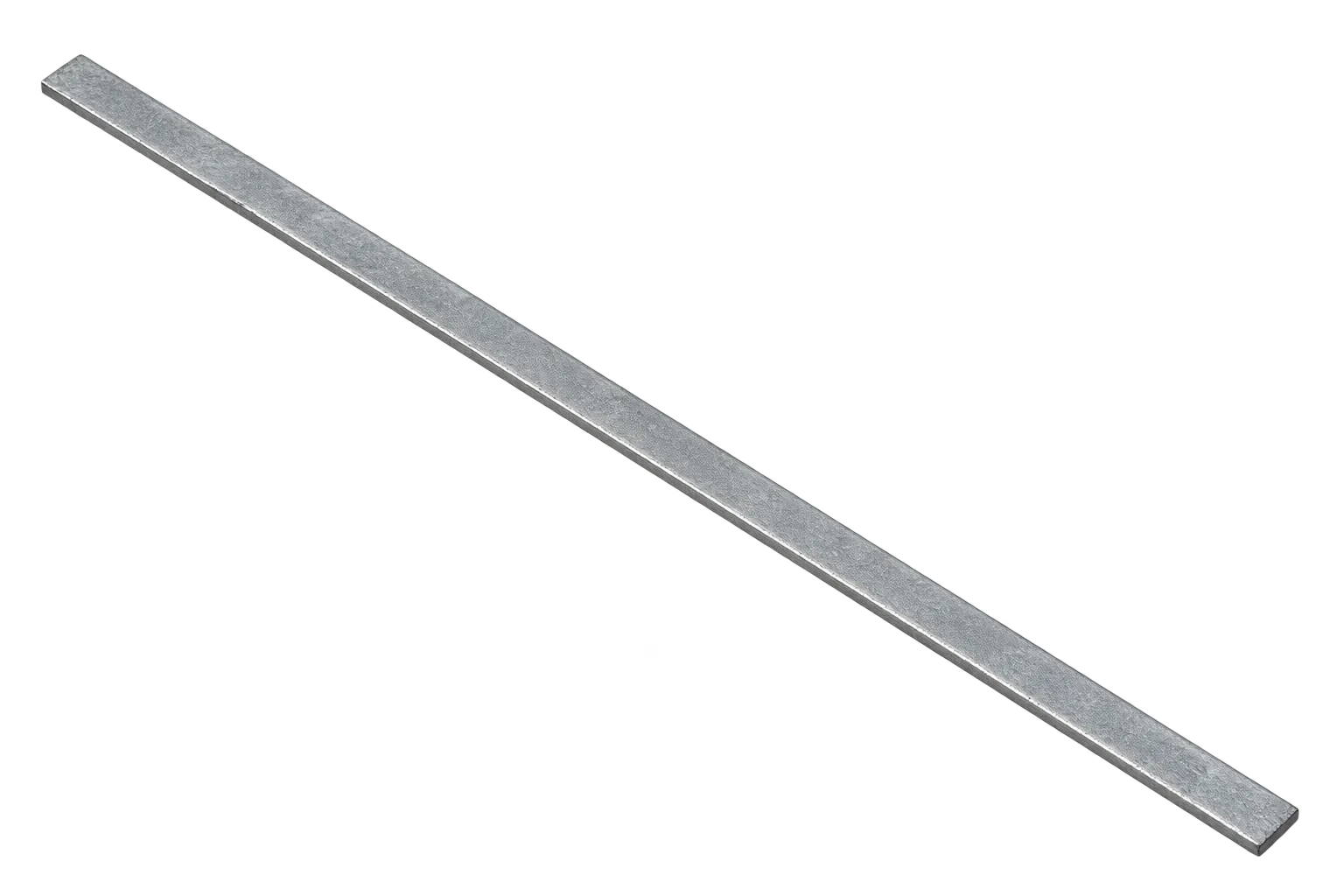
  • Tension BarHolds the edge of the mesh to the terminal post.
  • Truss RodBraces the terminal post against the pull of the mesh.
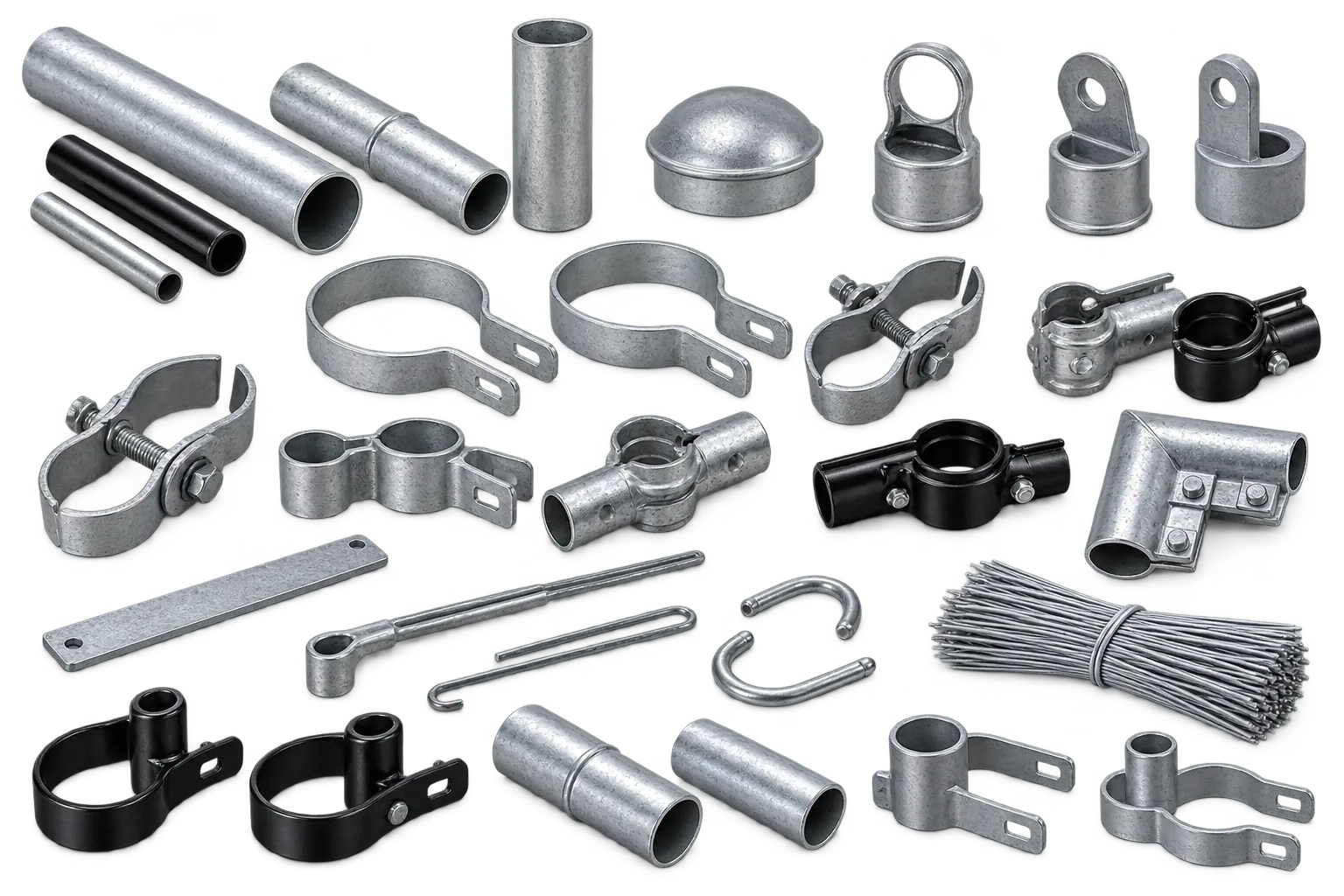
  • Fence FittingsJoins rails to posts and caps the post tops.
Barbed Wire Arm

Product family

Security topping

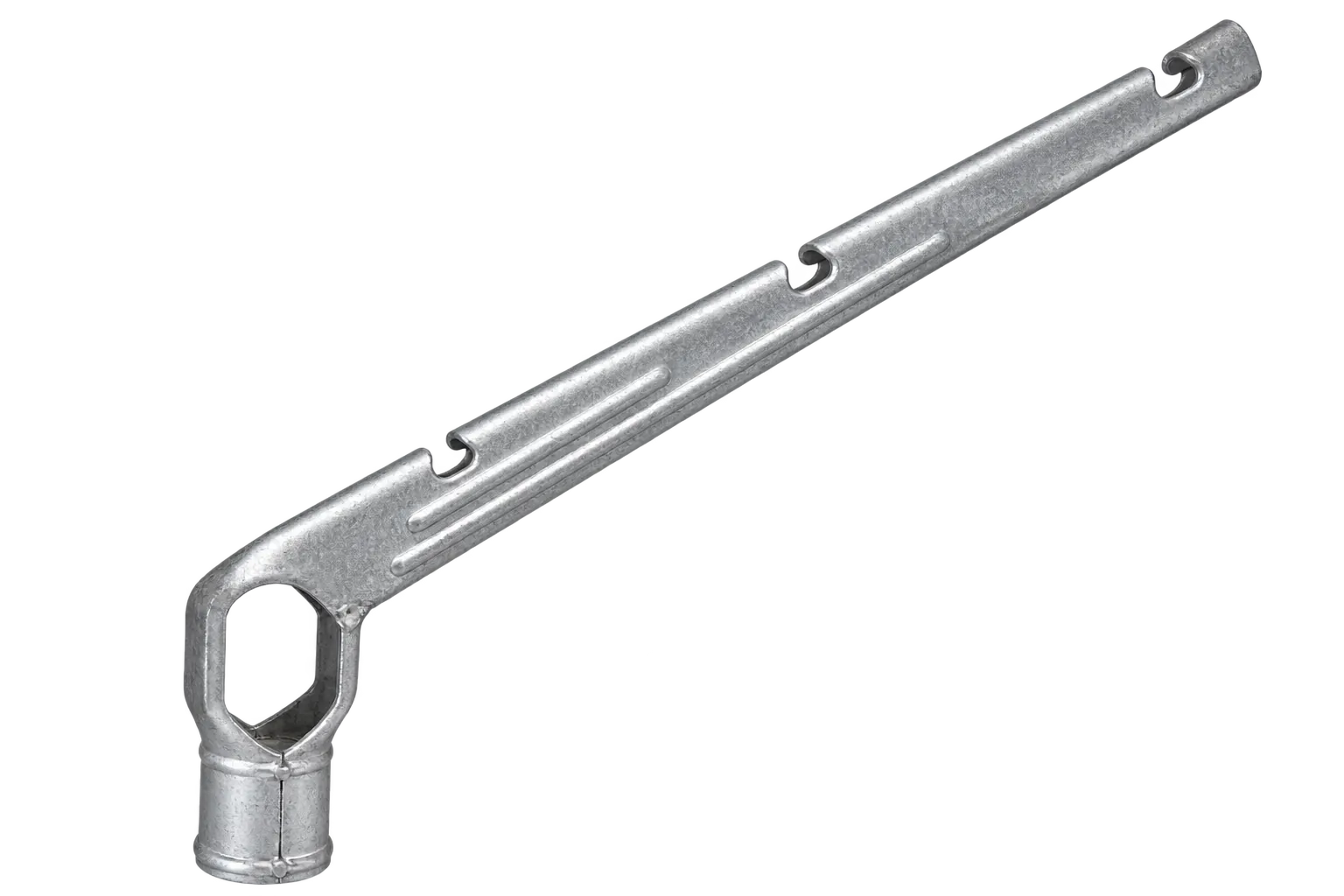
Arms that lift barbed wire above the fence you already have.

Gate Drop Rod

Product family

Gate hardware

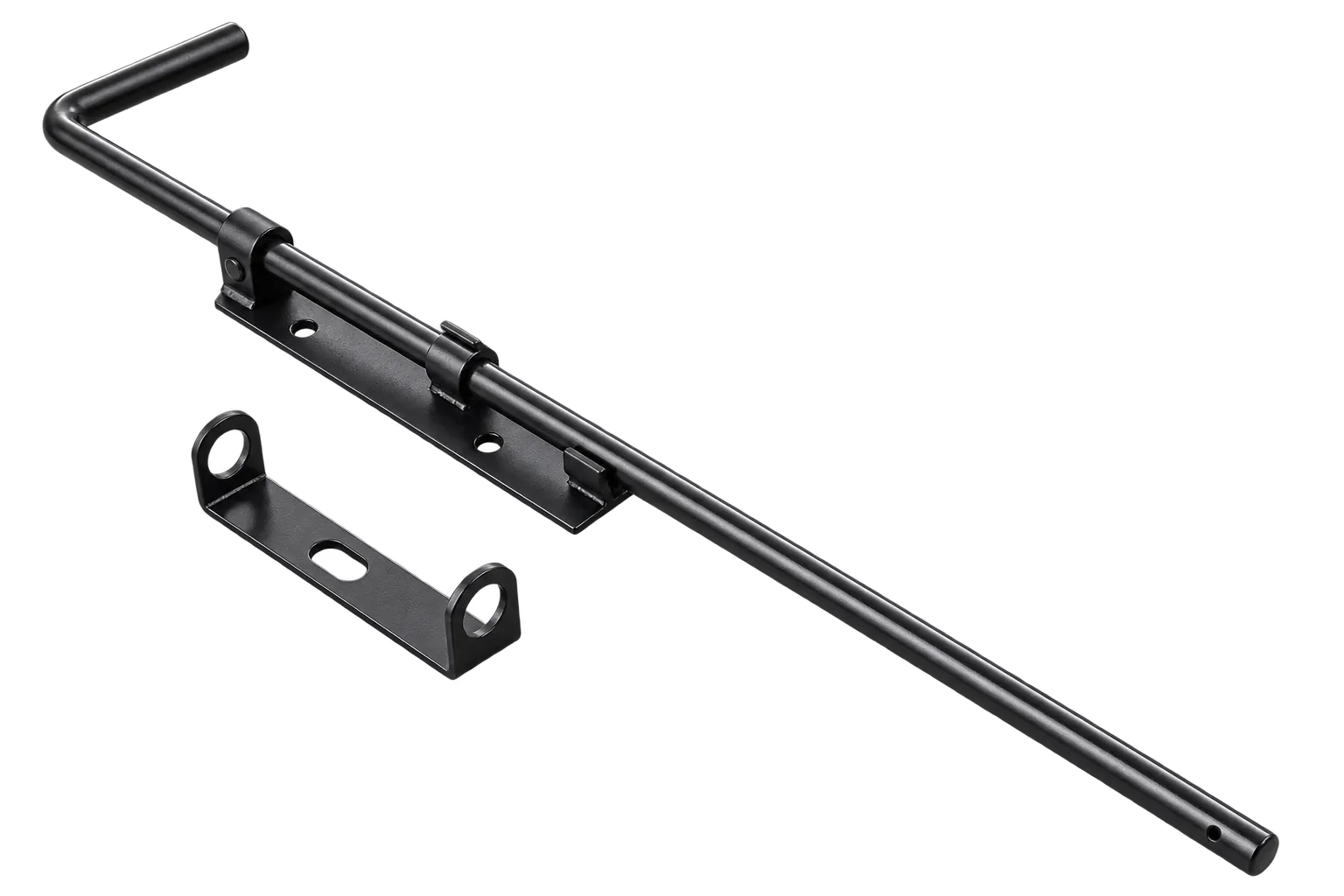
The rod that pins a double gate's fixed leaf to the ground.

Fence Post

Product family

Fence posts

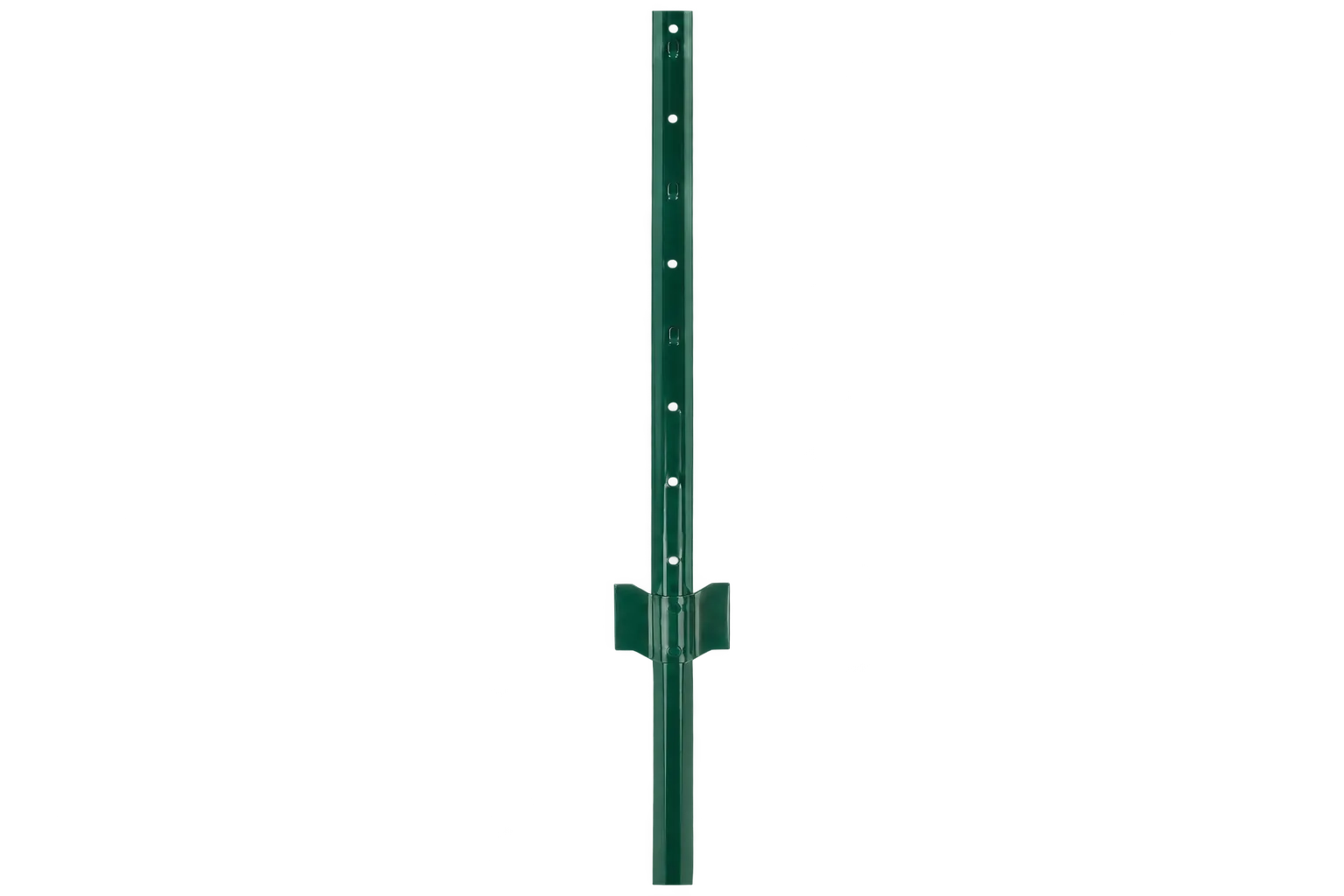
Studded steel posts you drive along the line of a field or farm fence.

  • Fence PostCarries and spaces the wire between strainer posts.
Carriage Bolt

Product family

Fasteners

The two bolt types you need to put fencing steel together.

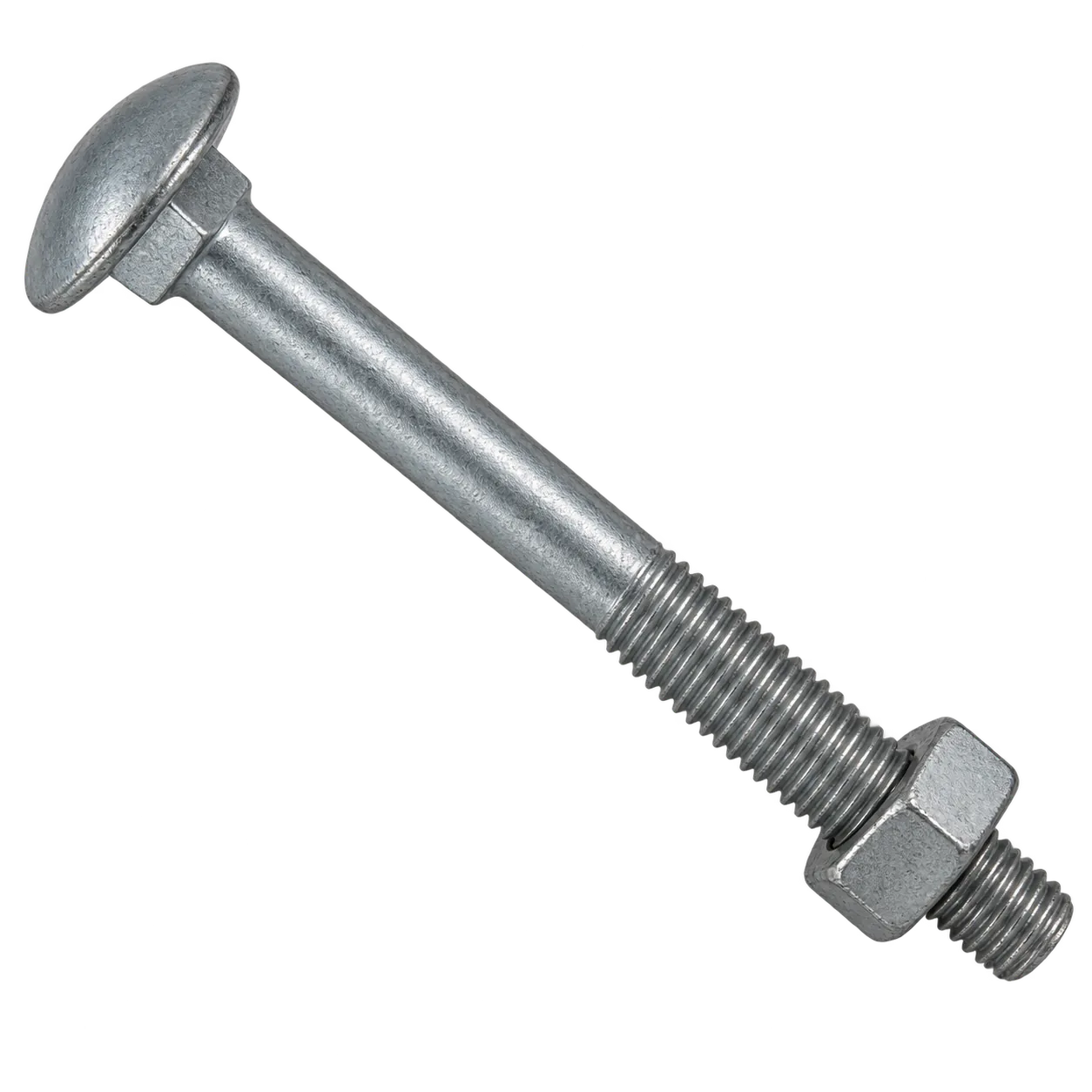
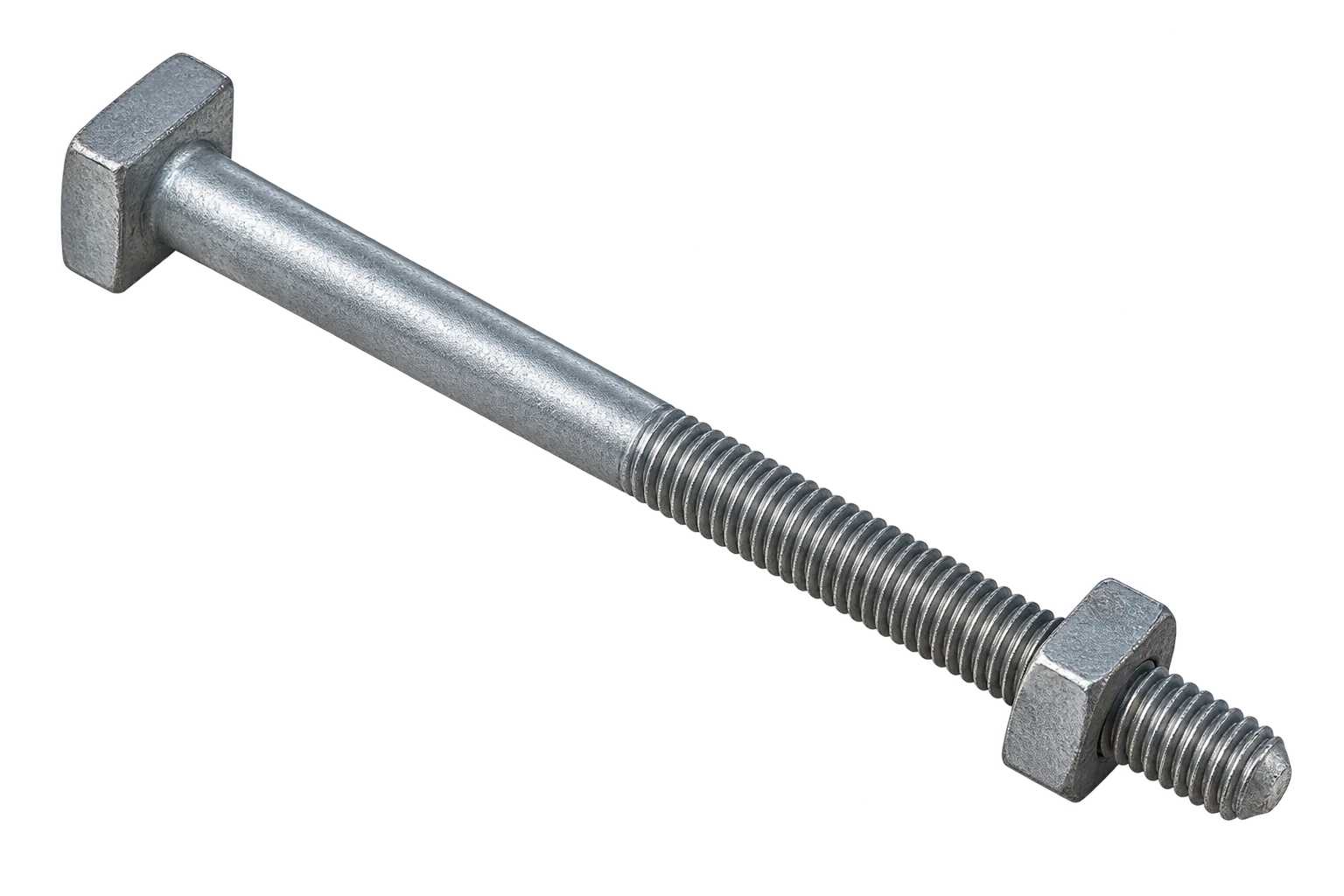
  • Carriage BoltRound head and square neck for bands, fittings and pales.
  • Machine BoltSquare head for rails, fish plates and brackets.

Where it's used

Fencing for the site you're securing.

Industrial and utility perimeters

Manufacturing plants, utility substations, water treatment facilities and rail yards require perimeters that resist climbing and cutting. Steel palisade fencing—with vertical pales bolted to angle rails—provides this barrier. Higher-security installations use thicker pales and taller bays. GV supplies the pales, rails, posts and fasteners to your specification.

Related components
ManufacturingUtilitiesRail yards

Schools, sports grounds and commercial yards

Chain-link is the standard fabric for schools, tennis courts, parking lots and warehouse perimeters across the US. The mesh is only as secure as its framework: steel posts and rails keep it upright, while tension bars and truss rods hold it tight against wind and load. GV sources the bars, rods, bands and fittings that complete the system.

Related components
SchoolsSports courtsParking and storage

Compounds needing added security

Existing chain-link fences can be upgraded with barbed wire arms mounted on top—adding a visible deterrent without the cost and downtime of replacement. Arms are sized to fit standard post diameters and carry three or six strands. GV supplies the arms, ties and bands for quick retrofit.

Related components
Storage yardsFacility upgradesSecurity enhancement

Farms, ranches and rural boundaries

Pasture and ranch fencing runs wire strands along steel posts driven directly into the ground—no concrete, no heavy equipment. T-posts with studs at spacing intervals hold clips that secure each wire strand. This system covers long distances quickly. GV sources the posts, clips and ties you need.

Related components
LivestockPasturesRanch lines

Gates and access points

Double gates require hardware that keeps one leaf firmly in place while the other swings. A drop rod slides into a ground anchor to pin the stationary leaf; hinges and latches control the moving leaf. GV supplies drop rods, hinges, latches and fasteners for reliable gate operation.

Related components
Entry gatesFarm gatesDriveway access

How GV sources this

From specification to delivery in four steps.

Specify

You define the specification, drawing, or standard. We work with your engineering requirements—ASTM grades, dimensions, finishes, certifications.

Qualify partner

We audit and certify manufacturing partners in India. First-article inspection and approval. Blanket orders or scheduled releases as you need.

Inspect & document

Pre-shipment inspection and third-party verification on request. Mill test reports, coating certificates, dimensional reports—documentation packs in every container.

Deliver to US site

Consolidated shipments to US ports and job sites. Landed-cost pricing in USD. Single point of contact in Katy, Texas for order management and support.

Questions answered

Common questions about fencing components.

What do GP and SP mean for palisade fencing?
GP and SP are two grades of steel palisade fencing. GP (general purpose) covers fences up to 8 ft (2.4 m) high, and SP (security) covers 10 ft (3.0 m) and 12 ft (3.6 m) fences with thicker pales and larger posts. GV supplies pales in 0.080 in, 0.100 in and 0.120 in (2.0, 2.5 and 3.0 mm), and up to 0.160 in (4.0 mm), to suit your grade requirement.
What is the difference between D and W palisade pales?
D and W describe the cross-section of a palisade pale. A D pale has a curved, D-shaped profile, and a W pale is folded into a corrugated W shape. Both are made in the same thicknesses and top styles, so the choice follows the look the site wants and the profile the specification names.
Which parts of a chain-link fence does GV source?
GV sources the steel hardware that assembles and tightens chain-link fences: tension bars, truss rods, tension and brace bands, rail end cups, post caps, sleeves, gate hinges, latches, drop rods and fasteners. Your contractor supplies the mesh fabric, posts and rails.
What is the difference between a tension bar and a truss rod?
A tension bar is a flat steel bar threaded through the end of chain-link mesh and clamped to the terminal post, so the mesh can be pulled tight. A truss rod is a round rod fitted diagonally from the brace rail to the foot of the terminal post, where it stops that post leaning under the pull of the mesh.
What standards should I specify for US fencing components?
US chain-link fittings are specified to ASTM F626, which covers tension bars, truss rods, bands, caps and sleeves. Gate hardware and components follow ASTM F1043 and ASTM F1083. Carriage bolts are ASME B18.5; machine bolts are ASME B18.2.1. GV sources all parts to match the standard and dimensions you specify, with mill test reports and certification on request.
What makes a T-post suitable for pasture fencing?
A studded T-post has a T-shaped cross-section with evenly-spaced studs on its face to grip wire clips. An anchor plate near the foot provides surface contact when driven. The design lets you set posts quickly with a hand or power driver and adjusts wire height at each clip position. GV sources T-posts formed from 2.0 mm (14 gauge) steel strip, with heavier gauges available for higher tensile applications.

Ready to get started?

Our team is ready to help you find the right products.

Start an inquiry