
Makes a loose-flange joint
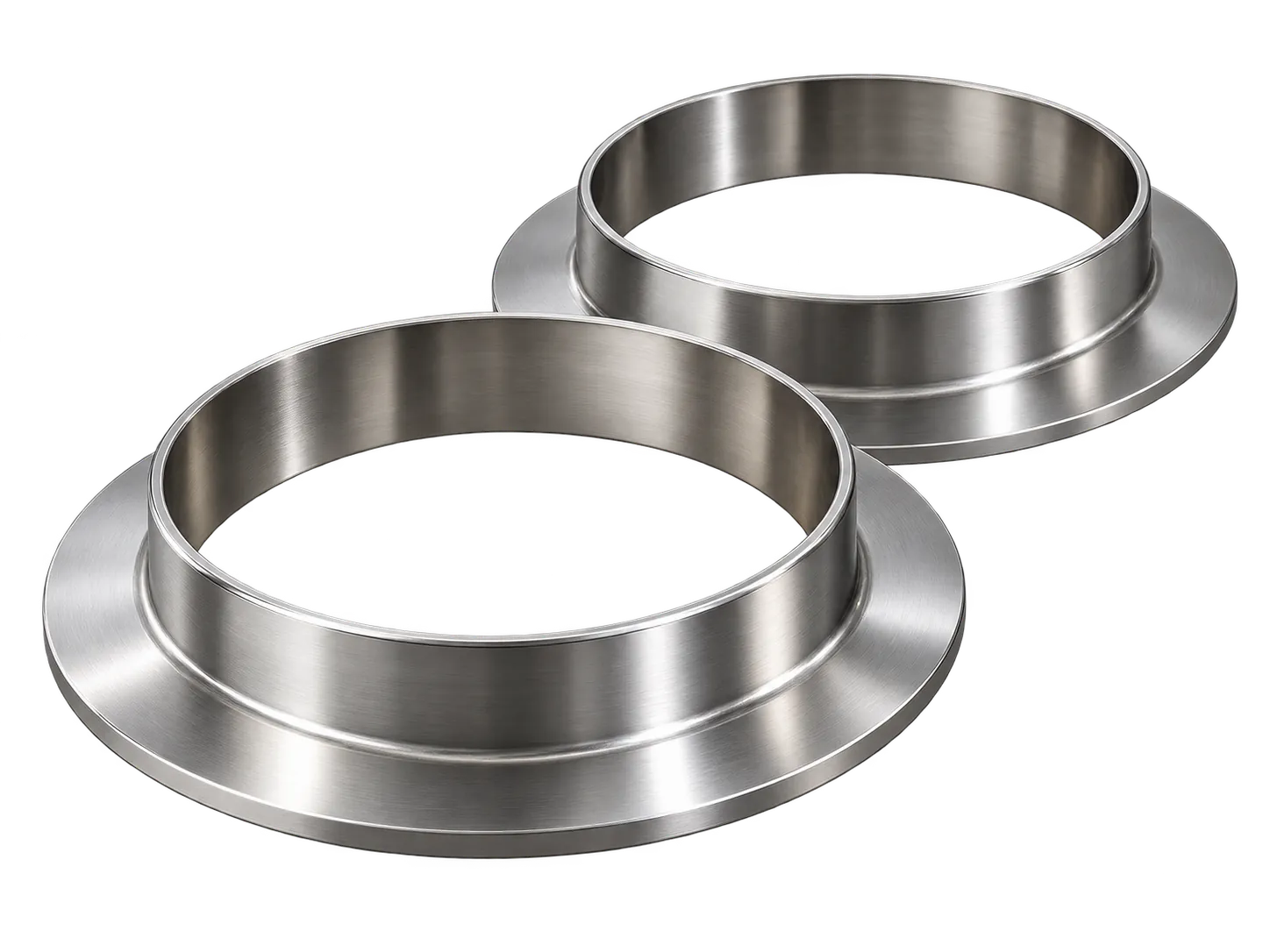
The collar provides the sealing face of a flanged joint on a stainless pipe, and a loose flange behind it carries the bolts.
Pipe Support Components
Stainless Steel Collars (For Flanges) are formed stub ends welded to the end of a stainless pipe. A loose backing flange slides over the collar and clamps the joint, so only the stainless collar touches the fluid and the flange can turn to line up its bolt holes. Specify pipe size, thickness, grade and the quantity you need.
At a glance
The collar provides the sealing face of a flanged joint on a stainless pipe, and a loose flange behind it carries the bolts.
Collars are formed in the grade of the pipe; the low-carbon L grades are chosen for welded joints.
For 1/2–24 in (15–600 mm) pipe, 11G or 12G (2 or 3 mm) wall, to MSS SP-43 (Schedule 5S and 10S) or ASME B16.9 stub-end dimensions or to drawing, in 304, 304L, 316 and 316L.
Also known as
Also called stub ends in the US. Spanish-speaking crews call it valona.
The backing flange is slid onto the pipe first. The collar is then butt-welded to the pipe end. At assembly the flange is turned until its holes line up with the mating flange, a gasket goes between the two collar faces, and the bolts clamp the flanges together over the collars.
Common applications
Stainless lines that are opened for cleaning use loose-flange joints. Only the collar and pipe touch the product.
Treatment and dosing lines in 316 or 316L use collars with galvanized or coated steel backing flanges. The flange stays out of the fluid.
Schedule 5S and 10S stainless pipe is joined with formed collars. The lightweight joint suits thin-wall lines.
Questions answered
Stainless Steel Collars (For Flanges) form the joint faces; the loose flanges, gaskets and bolts come from other suppliers.
See the pipe support range ↗Stainless Steel Collars (For Flanges) specifications
Pipe Support Systems
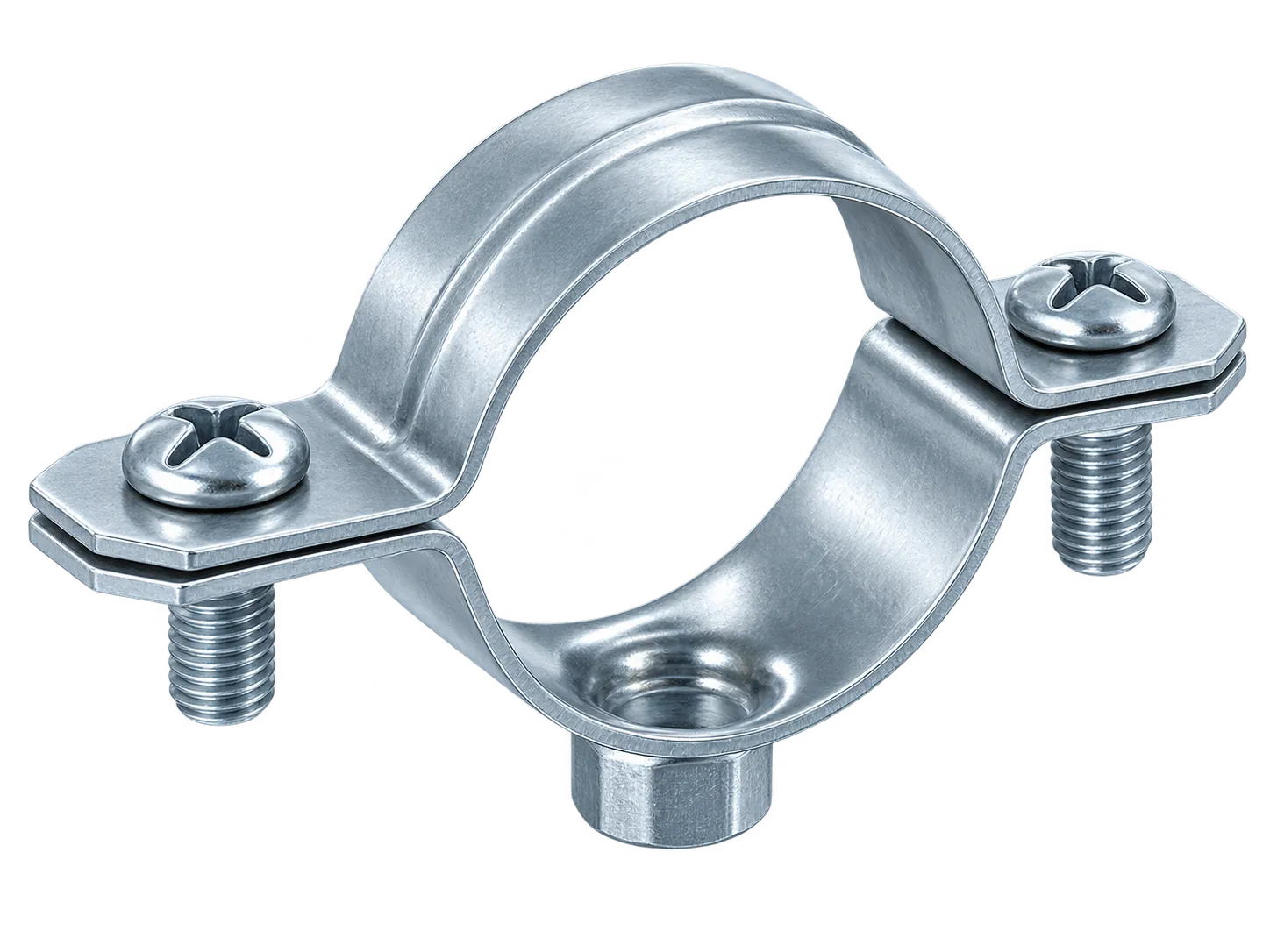
Nominal Pipe Size: 1/2" - 30" / 15 mm - 750 mm · Thickness: 0.120" - 0.790" / 3 mm - 20 mm
Specifications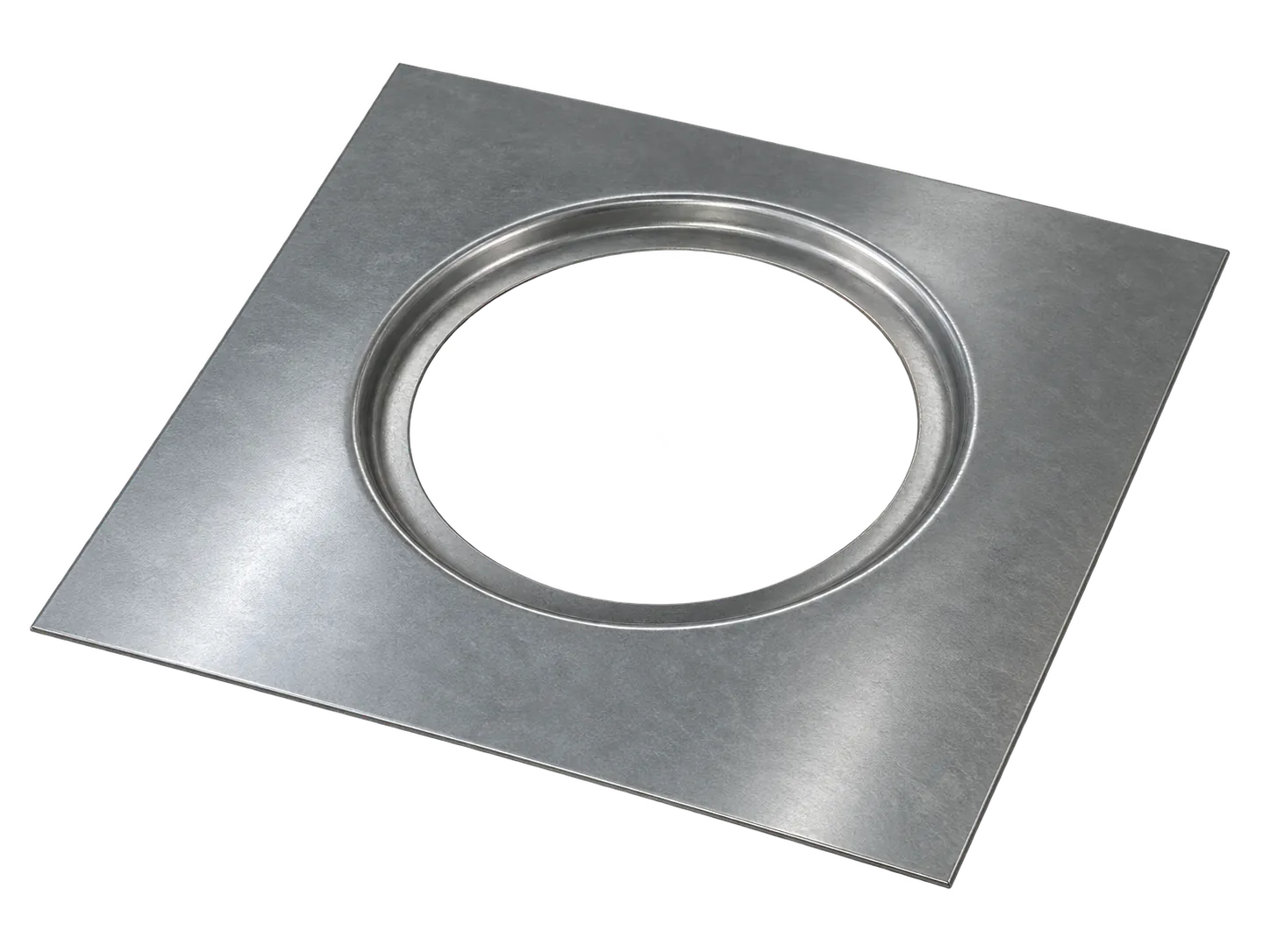
Plate: Square, 16 x 16 in to 24 x 24 in; to drawing / 400-600 mm · Opening: Raised round collar sized to the drain body
Specifications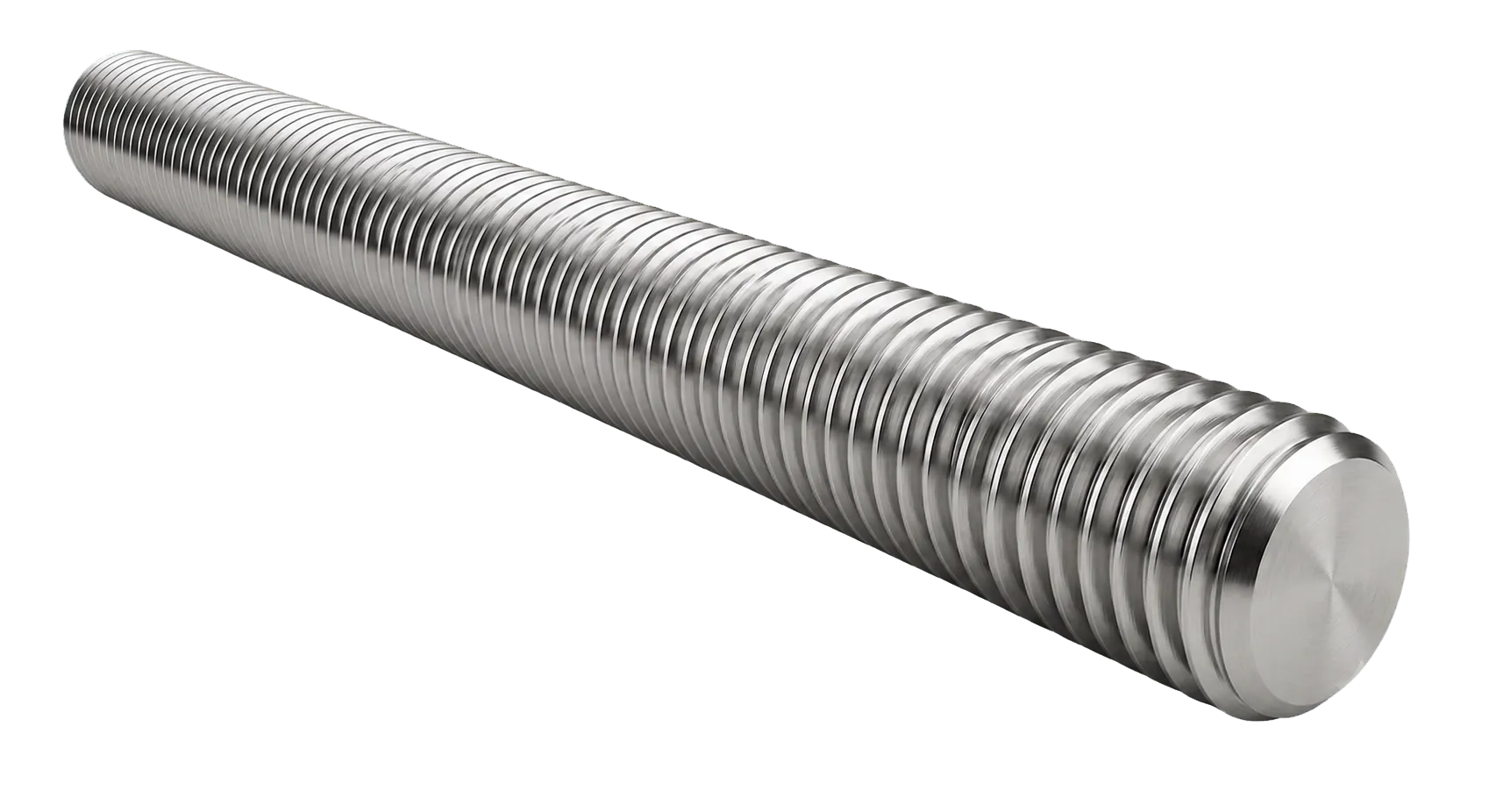
Diameter: 1/4" - 2-1/2" / M6 - M60 · Length: 2 ft - 19 ft (3, 6, 10, 12 ft common) / 1 m - 5.8 m (1, 2, 3 m common)
Specifications