The pole's connection to earth
The pole ground wire runs down the pole and is clamped to the top of the rod, giving fault and lightning current a path into the soil.
Bolts, Washers & Ground Rods
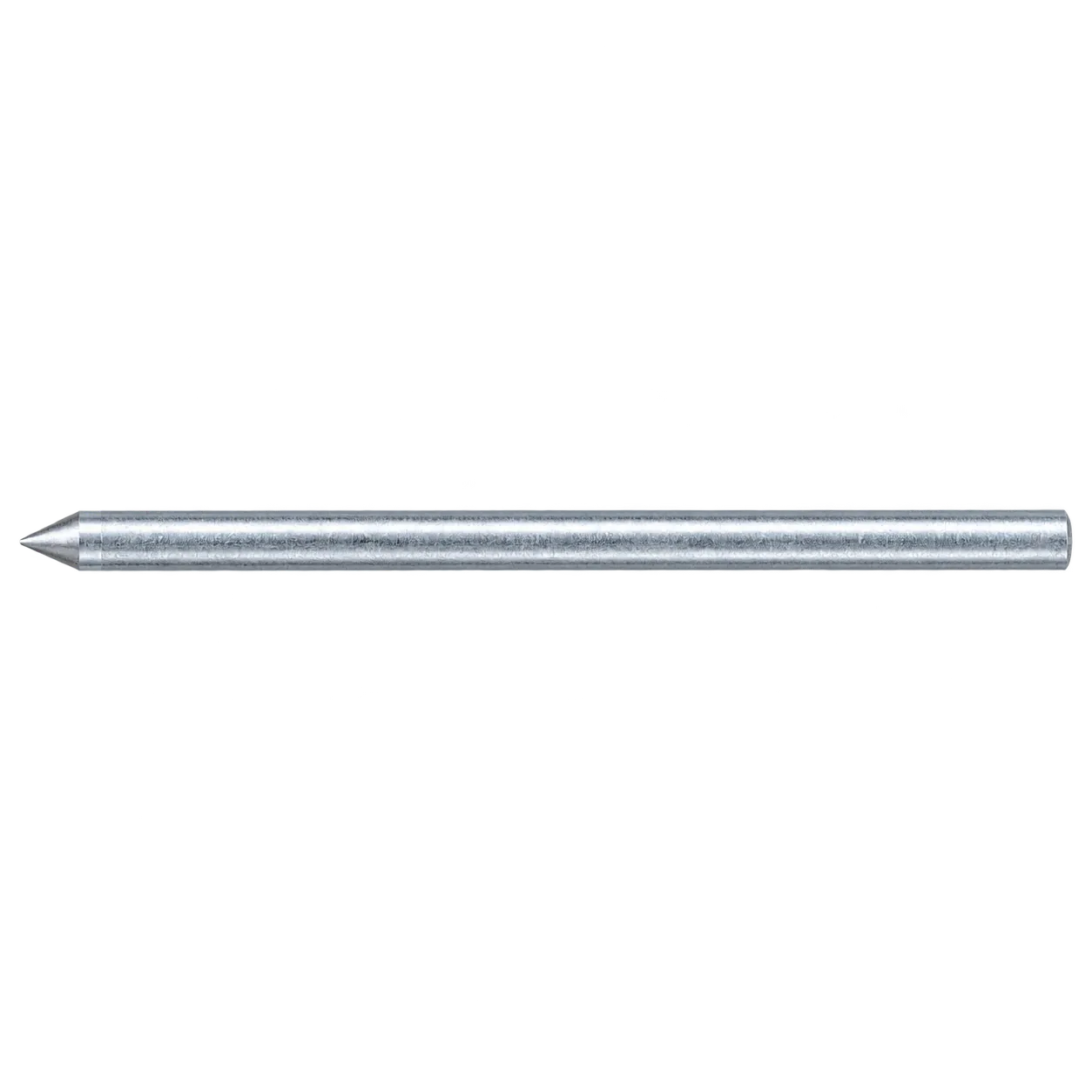
Ground Rod is a galvanized steel rod with a pointed end driven into the soil beside a pole to bond its transformer, arresters and neutral to earth. Specify diameter, length and the quantity you need.
At a glance
The pole ground wire runs down the pole and is clamped to the top of the rod, giving fault and lightning current a path into the soil.
The rod is steel with a hot dip galvanized coating; the point lets it be driven straight into the ground.
5/8 and 3/4 in (M16 and M20) diameters, 6, 8 and 10 ft (2–3 m) long, pointed end, galvanized to ASTM A123 / A153, in UL 467 sizes on request.
Also known as
Also called grounding rods in the US. Spanish-speaking crews call it pica de tierra.
The rod is driven vertically into the soil close to the pole base, by hand or with a driving tool, until its top is at or just below ground level. The ground wire from the pole equipment is fixed to the top with a ground clamp. Where the utility needs a lower resistance, further rods are driven and bonded together.
Common applications
Pole-mounted transformers and their tanks are bonded to a driven rod at the pole base. The rod is part of every transformer pole.
Surge arresters and the system neutral are grounded at set intervals along the line. Each grounding point uses one or more rods.
Switchgear, metering and substation fences are also grounded with driven rods. The same sizes suit these jobs.
Questions answered
Ground Rod is the driven electrode in the pole grounding assembly; the ground wire and clamps come from other makers.
Explore pole-line assemblies ↗Ground Rod specifications
Pole-Line Hardware
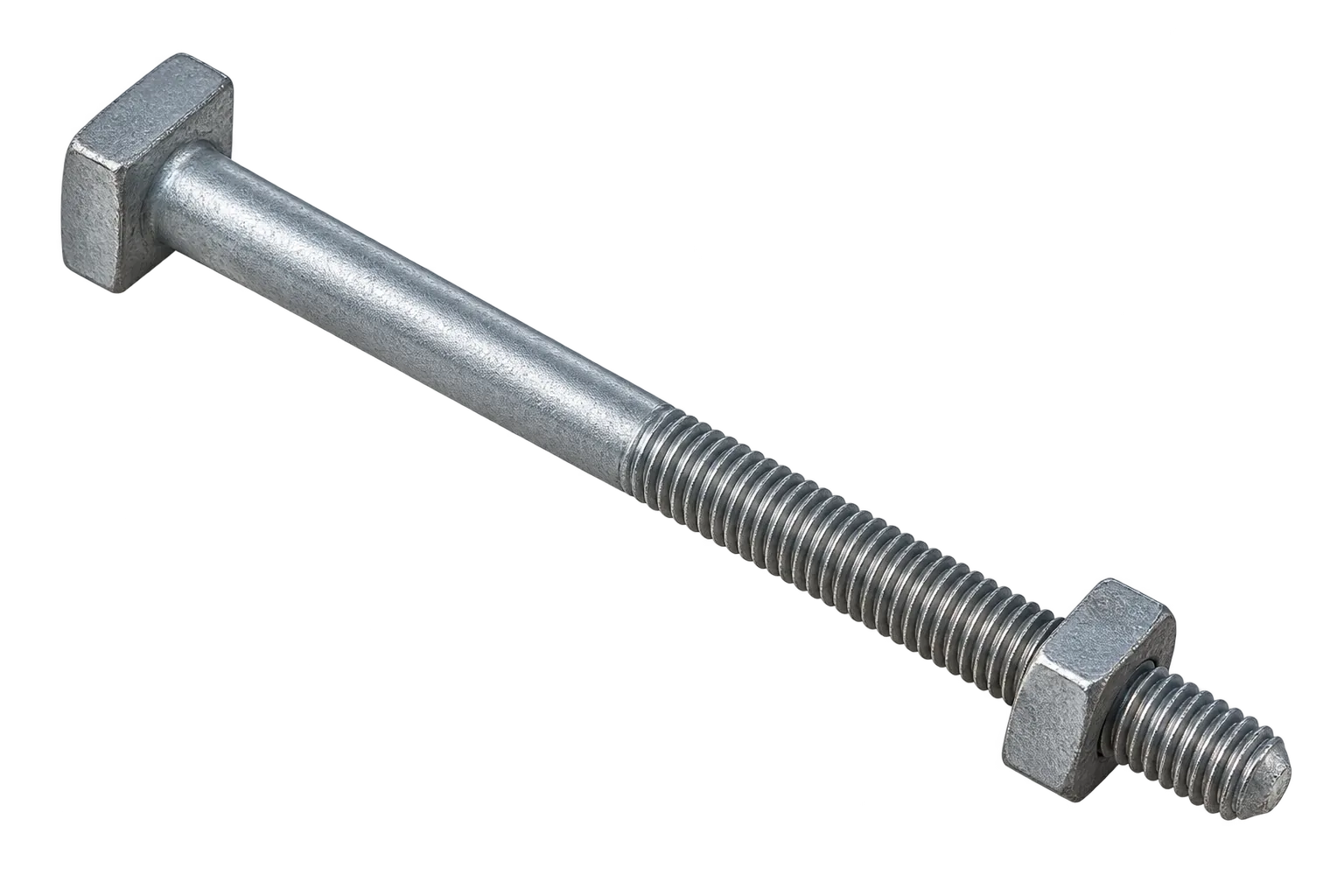
Diameter: 3/8-1 1/4 in (common 1/2, 5/8, 3/4 in) / M10-M32 · Length: 2-40 in / 50-1000 mm
Specifications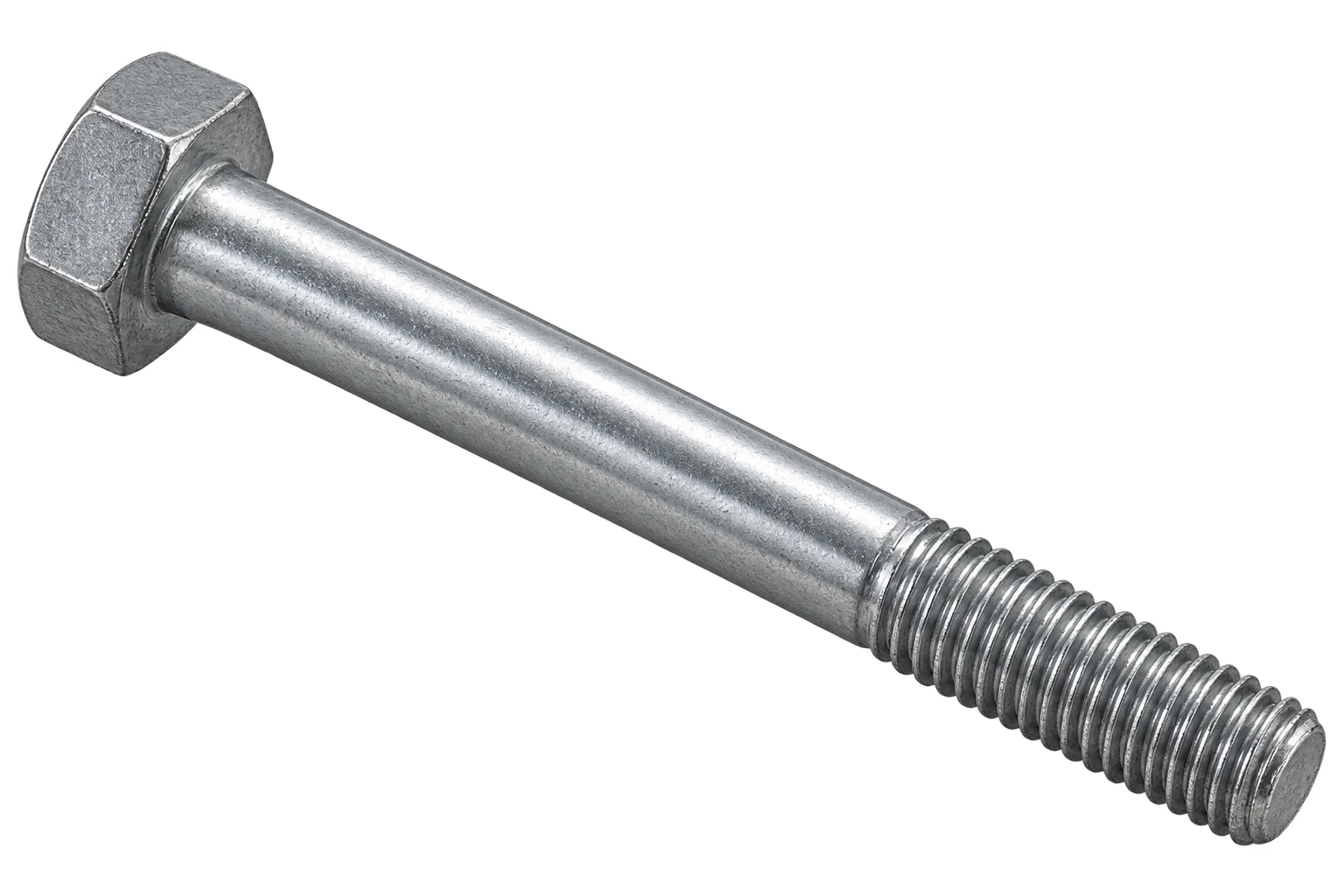
Diameter: 1/4-1 1/4 in / M6-M32 · Length: 2-40 in / 50-1000 mm
Specifications
Diameter: 3/8-5/8 in / M10-M16 · Length: 1-7 in / 25-180 mm
Specifications