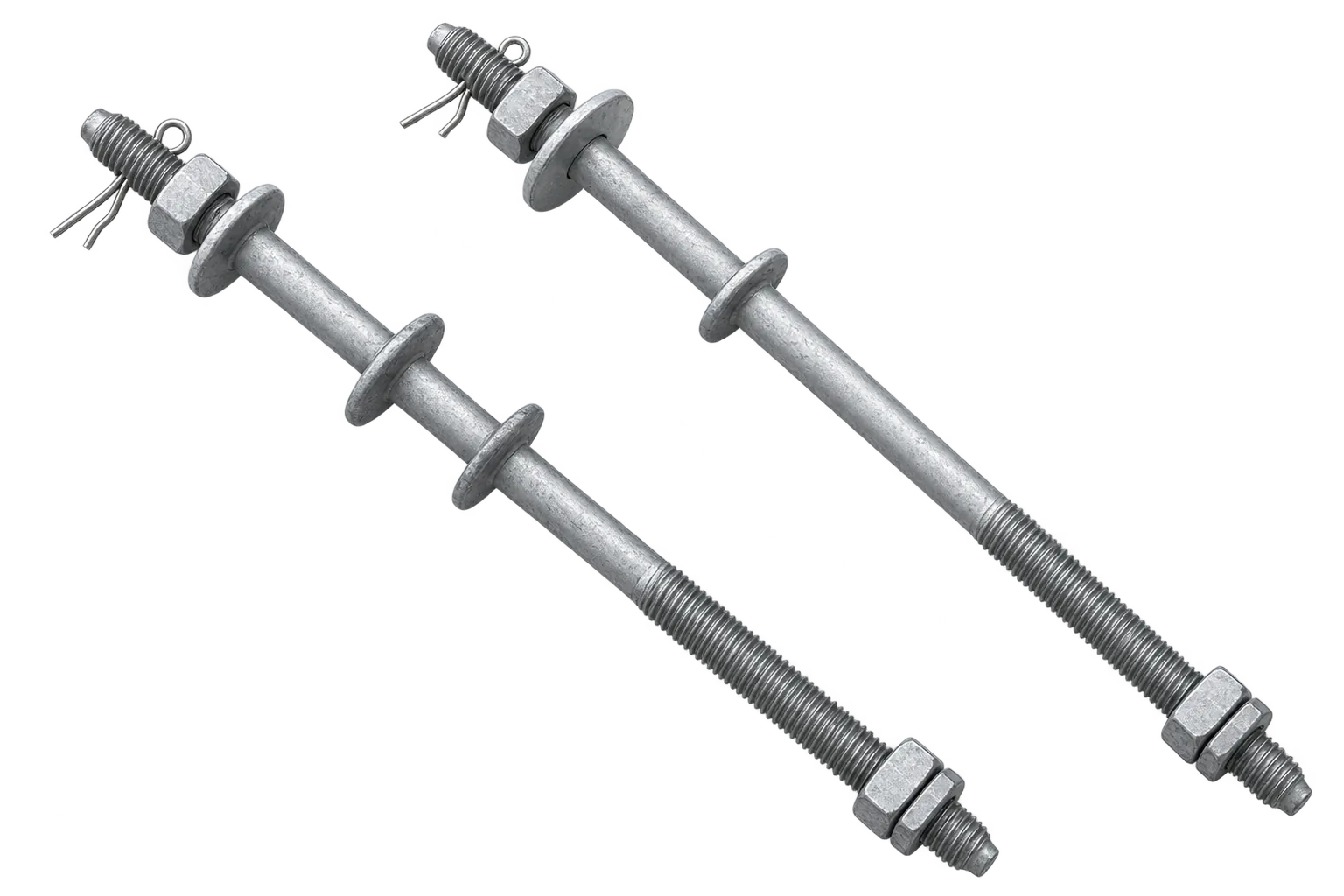
Ties a pair of crossarms together
At angles and dead-ends a second arm is fitted on the far side of the pole, and double arming bolts through both arms hold the pair as one.
Bolts & Arming Hardware
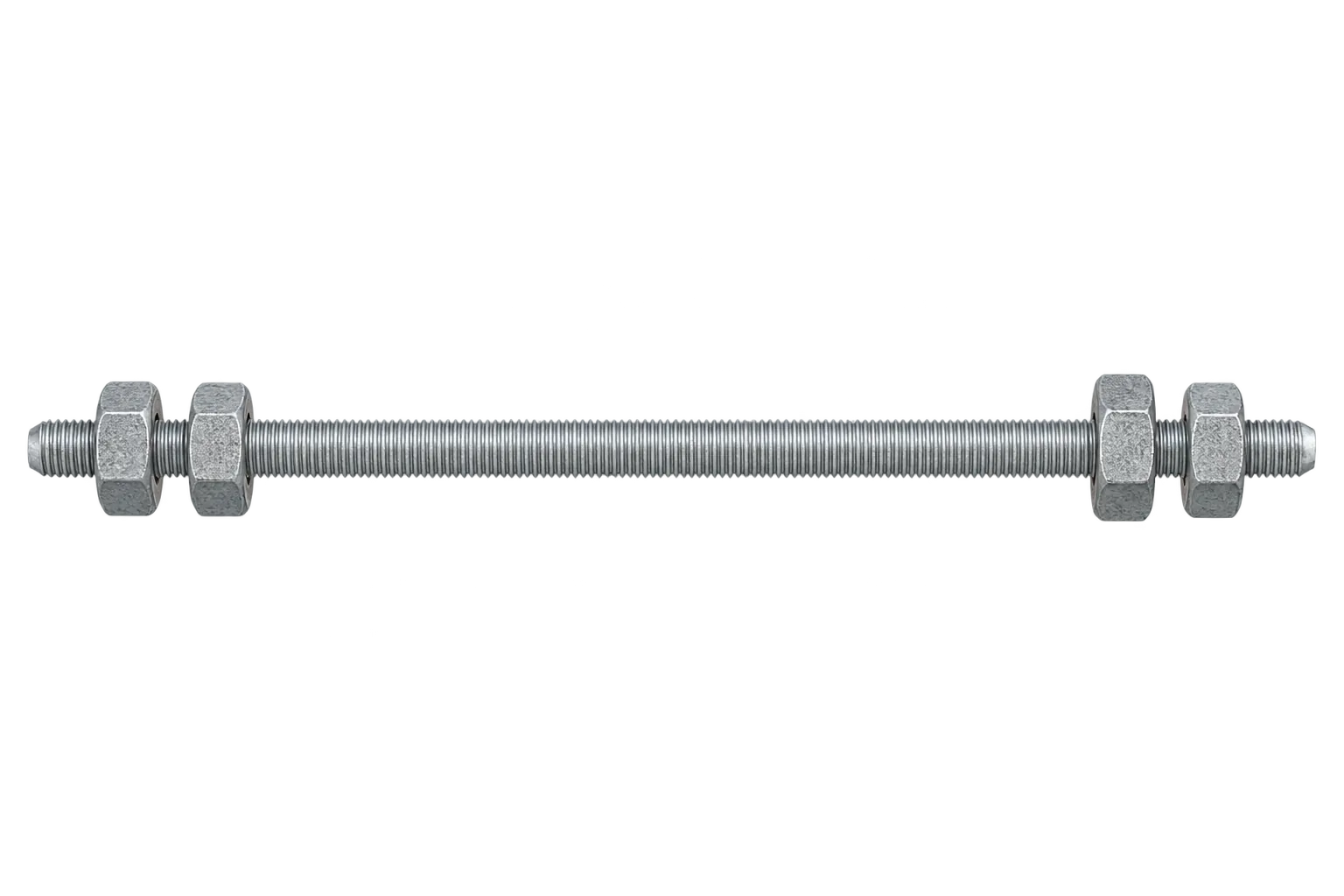
Double Arming Rod is a double arming bolt: a rod threaded full length with semi-cone points, used where two crossarms are mounted on opposite sides of a pole. Nuts clamp each arm, so the pair shares the pull at angles, dead-ends and heavy crossings. Specify diameter, length and the quantity you need.
At a glance
At angles and dead-ends a second arm is fitted on the far side of the pole, and double arming bolts through both arms hold the pair as one.
The thread runs the whole length so nuts can be set wherever the arms sit, and the semi-cone points lead the rod through the bored holes.
5/8–1 1/4 in (M16–M32) diameters, 10–36 in (250–900 mm) long, to ANSI C135.1, hot dip galvanized to ASTM A153, with 4 square or hex nuts.
Also known as
Also called double arming bolts in the US. Spanish-speaking crews call it perno doble armado.
The rod passes through bored holes in both crossarms, either side of the pole, and usually near their ends. A nut on each side of each arm fixes its position on the thread. Tightening the nuts spaces and clamps the arms so they cannot twist or slide apart under the pull of the conductors.
Common applications
Where the line turns, the conductors pull the arms sideways. Doubled arms tied with arming bolts take that pull on both faces of the pole.
Where the line ends or is sectioned, the full conductor tension comes onto the arms. Double arming keeps both arms square to the line.
Utilities often double the arms at crossings for extra security. The arming bolts hold the pair at the set spacing.
Questions answered
Double Arming Rod ties doubled crossarms together, while Machine / Square Headed Bolt clamps each arm through the pole and Square Nut and Washers finish the joints.
Explore pole-line assemblies ↗Double Arming Rod specifications
Pole-Line Hardware
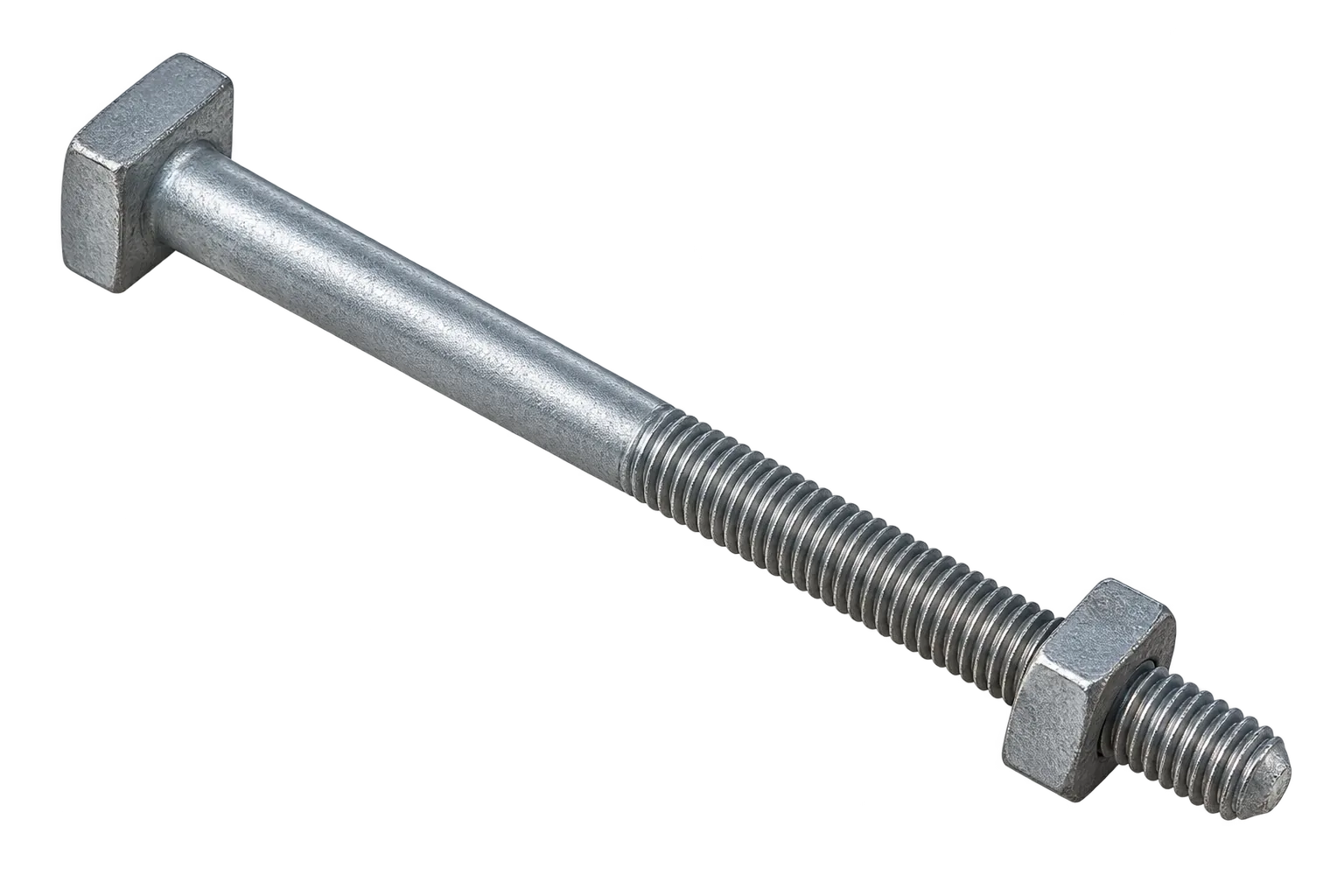
Diameter: 3/8-1 1/4 in (common 1/2, 5/8, 3/4 in) / M10-M32 · Length: 2-40 in / 50-1000 mm
Specifications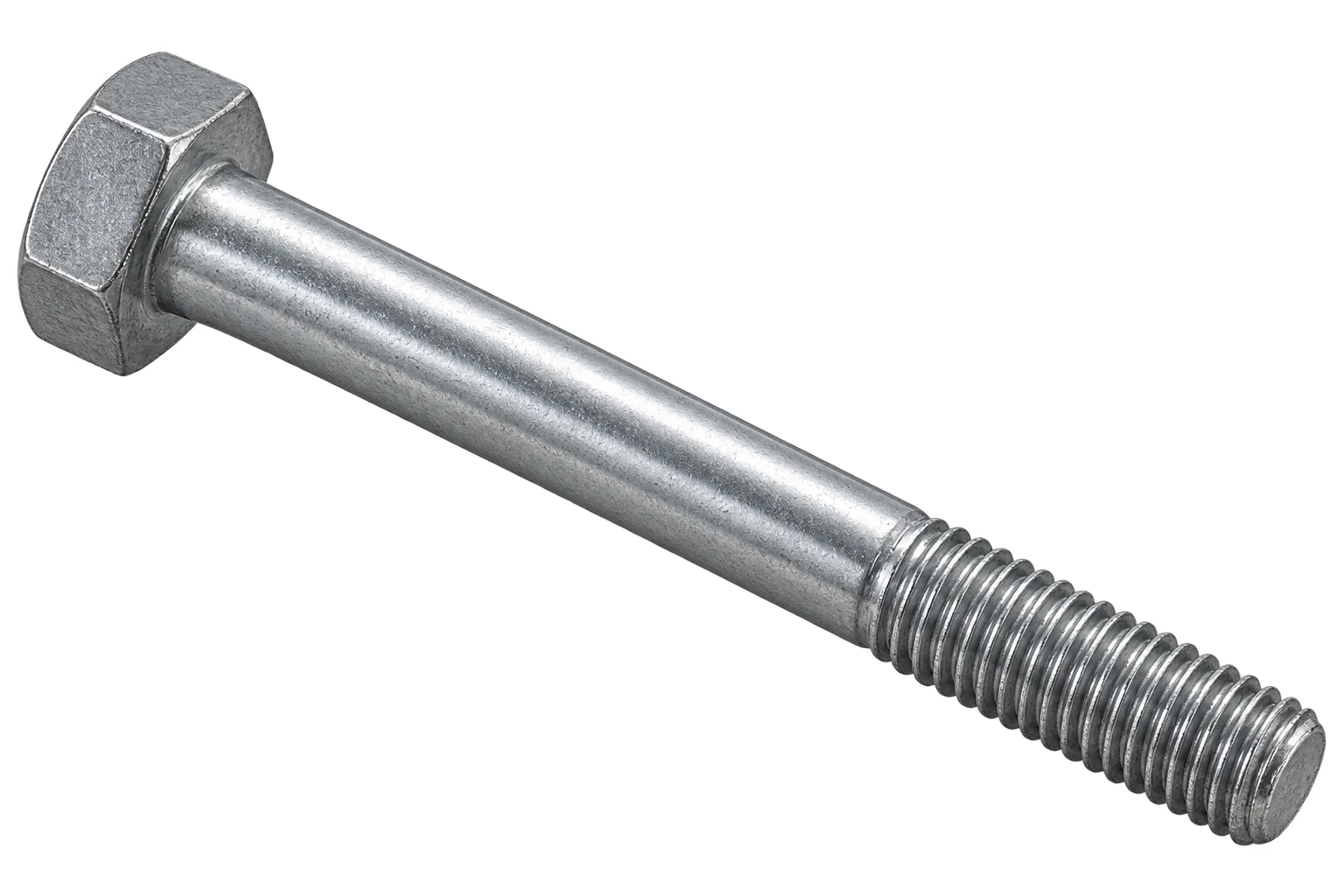
Diameter: 1/4-1 1/4 in / M6-M32 · Length: 2-40 in / 50-1000 mm
Specifications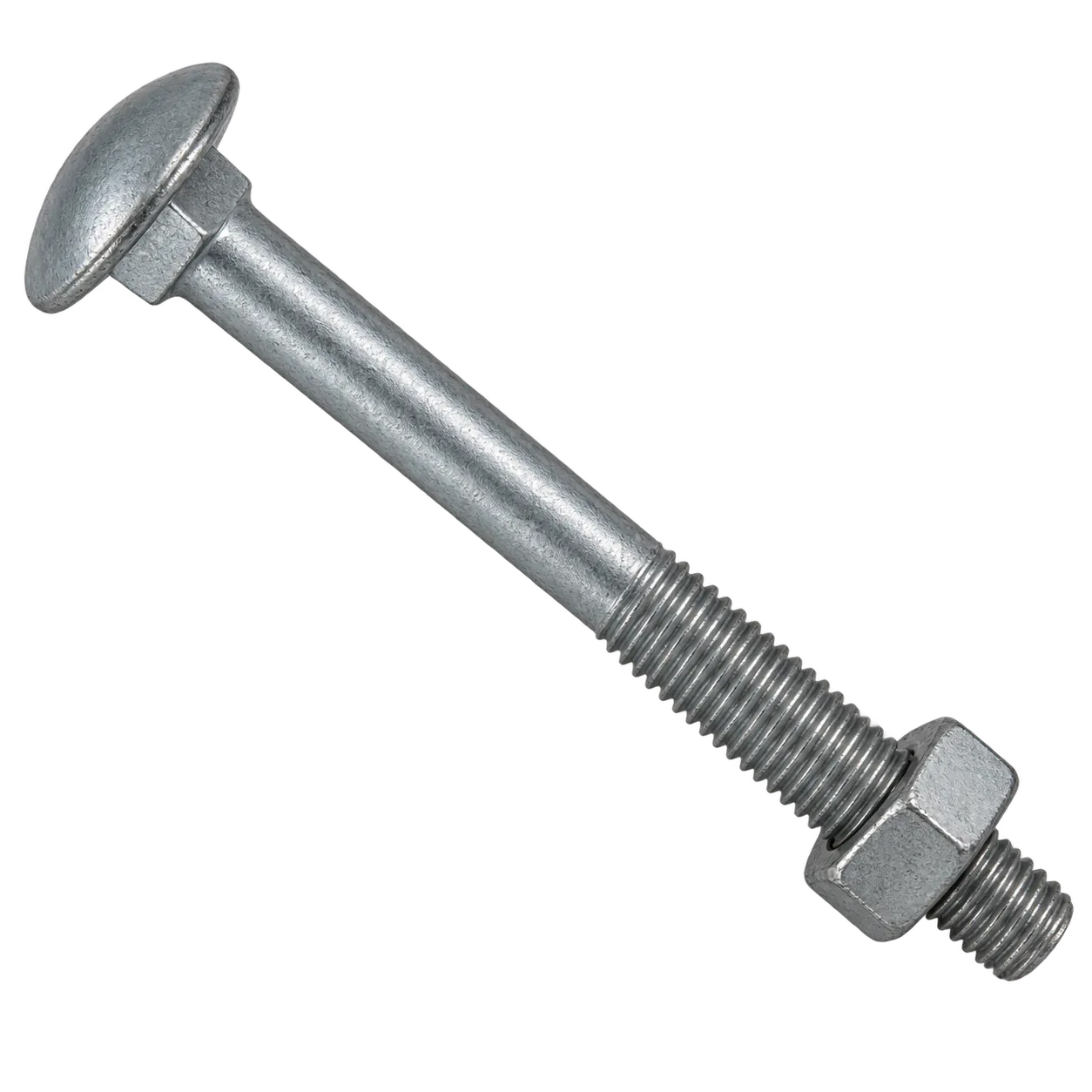
Diameter: 3/8-5/8 in / M10-M16 · Length: 1-7 in / 25-180 mm
Specifications